
What a Wellington southerly does to a door
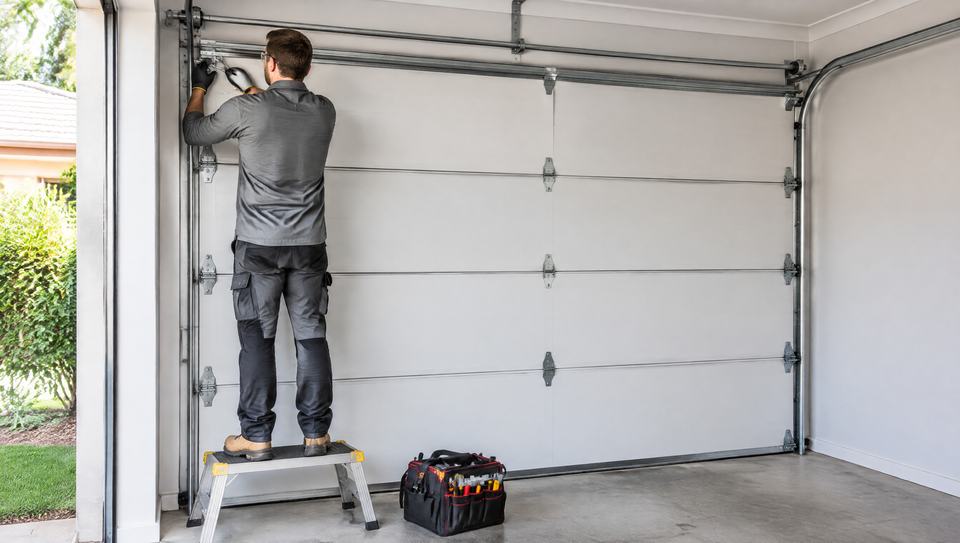
Wind is the local cause of a lot of door trouble. Every gust pushes against a wide flat panel, then lets go, and the door, its tracks and its fixings take that load over and over. Dominator's opener manual says very strong winds can push on the door and tracks, and a door that has been through a few winters here can show it: rattles, loose fixings, a curtain that has started to bow.
Wellington's record gusts explain why. Kelburn hit 198 km/h and the airport 187 km/h in the Wahine storm of 10 April 1968, and Hawkins Hill above the city has recorded 248 km/h, the highest wind speed measured in the North Island.
Stuck behind the door in a power cut
Storms here take the power as well as the fences. The June 2013 storm left 30,000 homes without it, and in an outage the opener can't lift the door. That is when people find out how the manual release works, or doesn't.
Garador says to use the rope or lever to disengage the opener if the power is cut. Dominator recommends doing it with the door closed: pull the cord towards the door until it clicks, then move the door by hand, and remember it is no longer locked. Its manual says the optional battery backup keeps the opener running when the mains is off.
A release that jams or a door that won't move once released are both repair jobs. Say so when you send it, and pick the Stuck open or off its track job if the car can't get out.
Never release a door that is open
Dominator's opener manual warns that pulling the release while the door is open can make it fall fast if the springs are weak or broken or the door is out of balance. Never release it with people, pets or cars in the doorway.
After a big blow, look for
- Fixings that have worked loose around the tracks and the frame
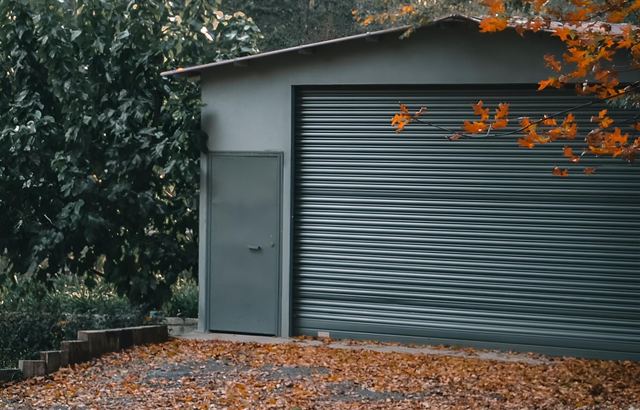
- A roller curtain sitting out of its side tracks, or panels that no longer line up
- A door that now rubs, binds or closes unevenly
- An opener that stops part way or reverses for no clear reason
- Cables that look frayed or slack, seen from a safe distance
Repairs around Wellington
Exposed ridges and the south coast
Baring Head records 72 days a year with gusts over 96 km/h, NIWA says, so garages along the south coast take far more wind than most.
Harbour-side homes
Zone D reaches 500 m from the coast and harbour, and BRANZ notes Table 4.1 of NZS 3604:2011 asks for stainless steel grade 304 structural fixings there.
The Hutt side
Sheltered Hutt Valley sites see much less wind than the airport, so a similar fault there may have another cause.

What we would do
Practise the manual release once on a calm day, with the door shut, so you know it works. If it sticks, get it looked at while nothing is urgent. A release that fails in the middle of a storm is a far harder job to get sorted.