
What the manual release does
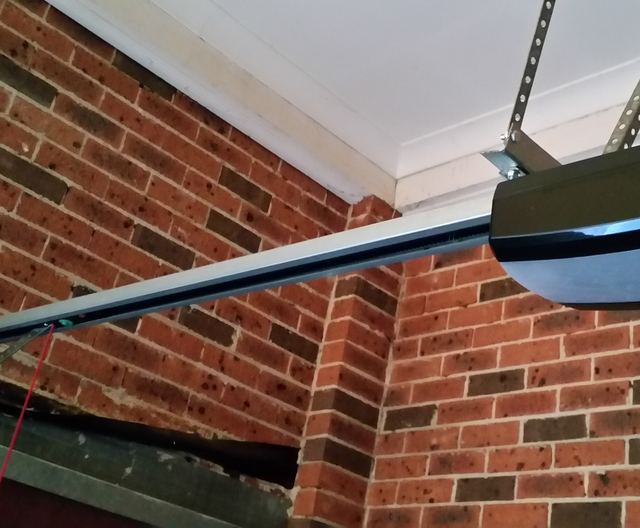
Garage door openers have a way to separate the door from the motor. Garador says to use the rope or lever to disengage your automatic opener if there is a power cut. Once that is done, the door moves by hand on its springs, with no help from the motor.
It is worth knowing how yours works before you need it. Dominator advises learning the emergency release from the owner's manual ahead of time, for a power cut or a mechanical fault.
Use the release only with the door closed
Dominator recommends using the release with the door shut. Its opener manual warns that releasing the opener while the door is up can make it fall fast if the springs are weak or broken or the door is out of balance, and says never to do it with people, pets or cars in the doorway.
Using the release, step by step
Check the door is fully shut
If it is open or part way, leave the release alone. Wait for the power to come back, or send the job.
Clear the doorway
Move anything that could be in the way, and keep children and pets well back.
Pull the cord towards the door
Dominator says to pull the release cord towards the door until it clicks. That disengages the opener.
Move the door by hand
Lift with the door itself. Dominator says not to use the string handle as a way to open the door.
Stop if it feels wrong
If the door is very heavy, jams or sits crooked, stop there, keep clear and send the job. A spring or cable may have gone.
Reconnect it when the power is back
Follow the owner's manual for your opener. The steps vary from one model to the next.
The door isn't locked after you release it
Dominator warns that when the opener is manually disengaged, the door is no longer locked. If you are leaving the house or going to bed before the power returns, keep that in mind, and shut any internal door between the garage and the house.
Opening a garage door from outside in a power cut
If the garage has no other door for people, you can be stuck outside with the release cord on the inside. Dominator's opener manual says a garage like that should have an emergency access device, so the door can be opened by hand from outside. Ask a door specialist about one if you have no side door.
Battery backup means no cord to pull
Dominator's manual says the optional battery backup keeps its opener working when the mains is off, although the phone app still depends on Wi-Fi. Garador lists battery backup for its home openers too. Merlin says its openers carry no battery unless a backup system is fitted, so ask if you are not sure what you have.
Get ready before the next power cut
- Find the release on your opener and read how it works
- Check the handle is easy to reach: Dominator's manual says lower than 1.8m
- Try it once with the door shut
- Check how the door feels by hand while it is released
- Ask about an emergency access device if the garage has no side door
- Ask about battery backup if you rely on the door daily
Worth mentioning to the door specialist
- The opener's brand and model
- Whether there is a side door into the garage
- Whether the release cord is damaged or missing
- Whether the door felt heavy when released
- Whether you want battery backup fitted
What you can do, and what to leave
You can
- Use the release with the door shut
- Move a well balanced door by hand
- Reconnect the opener as the manual shows
Leave to a door specialist
- A door that is heavy or jammed once released
- Anything to do with springs or cables
- Fitting an emergency access device
- Fitting battery backup

What we would do
Practise once on a calm day, with the door shut and the power on. You find out where the cord is and how the door feels by hand, and if it feels heavy you have learned something useful while there is no rush. Dominator suggests checking how easily the door moves every three months in any case.