
Signs your door needs a repair
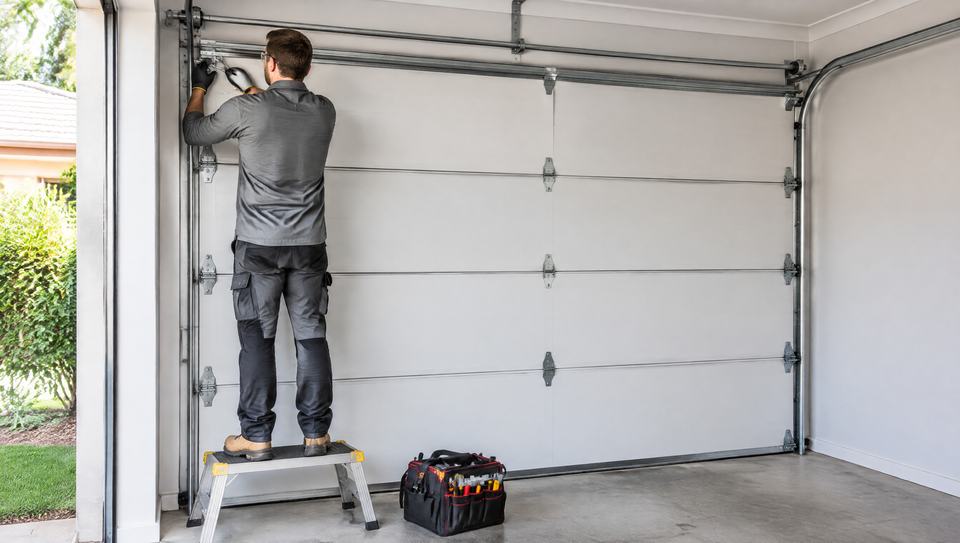
A door usually tells you before it fails. It gets louder, slows down, sits crooked when it closes, or the opener strains and stops part way. When it turns heavy to lift by hand, Dominator puts it down to one of three things: a decompressed spring, a warped track or a loose cable.
B&D NZ's advice is simple: if the door becomes hard to work or stops working at all, contact a door professional. Its care guide also says to look over the cables regularly for corrosion, fraying or tangling, and to stop there: the springs and cables are for a door specialist.
Salt air around the harbours
Auckland has a lot of coastline, and salt is hard on steel doors, springs and fixings. As BRANZ summarises NZS 3604:2011, exposure Zone D takes in every area within 500 m of the coast, harbours included, and within 100 m of tidal estuaries and sheltered inlets.
Rain rinses some of that salt away, but not everywhere. BRANZ testing on an Auckland building near the harbour found that sheltered spots, which get far less rain washing, collected about 3 to 8 times more salt than exposed ones. B&D NZ's care guide makes the same point: wash the door, including the parts the rain does not reach.
Warranties notice it too. Dominator's 10 Year Total Confidence Warranty leaves out corrosion and damage from salty or damp conditions, so regular washing is worth more than it looks.
Servicing that keeps a warranty alive
- Dominator recommends a service by an experienced technician in the first 12 months and every 2 years after that, plus a yearly check by you.
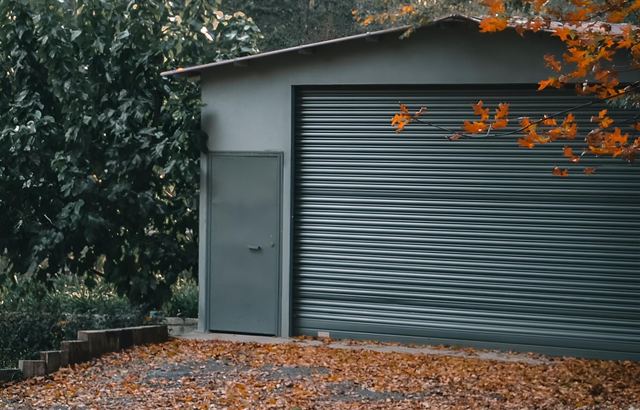
- B&D NZ suggests having a roller door or tilt door fittings serviced every 12 months, more often in harsh conditions.
- Dominator's opener warranty depends on a service within 12 months of installation or 3,000 cycles, whichever comes first.
- Keep the service record with the warranty card, so the next door specialist can see what was done.
Repairs around Auckland
Exposed coastal spots
NIWA says coastal sites such as Auckland Airport are windier all year than sheltered inland places such as Pukekohe, so a door on the water works harder.
Spring westerlies
Spring is generally the windiest season across the region, NIWA says, and Auckland is open to strong gusty westerlies that can arrive with thunderstorms.
Fixings by the sea
BRANZ notes NZS 3604 asks for stainless steel structural fixings, at least grade 304, in Zone D. Ask what the door specialist will use.
What you can check yourself
You can
- Clean inside the guide tracks with a cloth dampened with mineral turps or methylated spirits, as Dominator suggests
- Wash the door with clean water and a cloth, more often near the sea
- Look over the cables from a safe distance for fraying or rust
- Check the opener's reversing works with a block of timber on the floor
Leave to a door specialist
- Springs, cables, drums and brackets
- A door that is crooked, off its track or stuck open
- Adjusting the opener's force and travel limits
- Replacing rusted fixings close to the coast

What we would do
Never grease the tracks to quieten a noisy door. Dominator says never to put grease or oil on the guide tracks, only a little machine oil on steel hinges. If the noise stays after the tracks are cleaned, tell us it is a repair job and say what kind of door it is.